Pakistan Tours in 2026 & 2027 with English-speaking guides
Visit Pakistan's famous Hunza Valley and the Indus Valley Civilization. Join our small-group tours to Pakistan or let us put together a private, personalized tour for you.
Explore Pakistan
Pakistan Group Tours
Our tours to Pakistan are all-inclusive packages and are led by experienced local guides. Browse our cultural and adventure tours to Pakistan's famous Karakoram mountain valleys and ancient cities of Mohenjo-Daro and Harappa.
Hunza Valley Trip 2026
Visit the famous Baltit Fort and Altit Fort built by Balti craftsmen in Tibetan architecture, the tourquoise-blue Attabad Lake, and more.
Indus Valley Civilization Trip 2026
Visit the Empires of the Indus: Mohenjo Daro, Harappa, Kot Diji, and Mughal era royal Lahore Fort and the Badshahi Masjid.
K2 Base Camp Trek 2026
Trek along the Baltoro Glacier to the base of K2, world's second highest mountain and Broad Peak, 12th highest in the world.
Kalash Valley Trip 2026
Drive to a Kalash Valley in the Hindukush mountains, home to pagans and nature worshippers. See "Chilam Joshi", Kalash's Spring festival.
Private Tours
Design Your Own Private Pakistan Tour
Prefer to travel with just your family, friends, or partner? We design fully customized private Pakistan tours tailored to your interests, pace, and travel dates. No fixed groups, no compromises.
Travel at Your Own Pace
Spend 3 days in Hunza or 7. Wake up early to chase sunrise at Eagle's Nest or sleep in. Skip a fort or visit two. With a private tour, the itinerary works around your interests, not a fixed schedule.
Just You and Your Group
Travel with only the people you came with. Your own private vehicle, your own guide, your own table at every dinner. Whether you're a solo traveler, a couple, or a family of 8, the tour is yours alone.
Customize Every Detail
Add a 2-day cooking workshop in Karimabad. Skip the trek and add more time at archaeological sites. Include a photography day at Passu Cones at golden hour. Special dietary requests, hotel preferences, pace — it's all flexible.
Travel on Your Schedule
No need to wait for a fixed departure date. Private tours start any day of the year. Whether you have a specific window in May or want to travel during the Chilam Joshi festival in May, we build the tour around your dates.
Deeper Local Experiences
With a private group, you can spend hours with a Hunza family without rushing. Get invited into homes for tea, attend a local wedding if you're lucky, and have unhurried conversations with artisans, farmers, and elders.
Same All-Inclusive Pricing Model
Just like our group tours, private tours are all-inclusive. Meals, accommodation, private transport, internal flights, guide fees, permits, and tips are all included. No surprise costs once you arrive in Pakistan.
Ready to plan your private Pakistan tour?
Tell us your travel dates, interests, and group size. We'll design a custom itinerary and quote within 24 hours.
Why Choose Us
Benefits of our Pakistan Tours
English-Speaking Licensed Guides
Our Pakistan guides are born and raised in the regions you'll visit. They speak fluent English, hold professional government licenses, and will take you to their own hometowns to share the history and the local experiences.
Small Groups, Better Experiences
We have a cap for every tour at 10 travelers. Small groups mean you actually get to sit with a Hunza family for lunch, walk through villages without drawing a crowd, and have real conversations with the people you meet.
Experiential Tourism, Special Experiences
We don't just show you the sights, our local guides let you participate in local life. Cook biryani with a family in a Karimabad, attend the Chilam Joshi spring festival in Rambur with the our Kalash friends, and celebrate Navroz with families in Gilgit.
All Inclusive, All Paid for Trips
All meals (Breakfast, Lunch, Dinner), accommodation, private transport (and our experienced drivers), internal flights, tips, site entry tickets, and Mr. Karim Khan as your guide are included in the price. No hidden fees, no surprise costs. Just show up and have fun.
Why choose The Vacation Project for Pakistan Tours?
The Vacation Project is a licensed Pakistan tour operator based in Hunza. We are in the heart of the Karakoram mountains. We specialize in small group tours which follow carefully planned itineraries and private tours which are fully personalized. The Vacation Project started its operations in 2009 and offers tours to Pakistan from USA, UK, Germany, France, and other countries, specializing in serving international travelers. Over the years, we have operated a large number of cultural and adventure tours across Pakistan. Our itineraries have been tweaked over the years from the feedback we get from our esteemed travellers.
From epic roadtrips that cover idylic Karakoram valleys like Gulmit in the north to the ancient houses of Harappa in the south and cruising along the Arabian Sea, every tour is led by English speaking local guides. Our guests are experts who were born and raised in the regions you'll visit.
Our tours to Pakistan are designed specifically for international travelers who want more than sightseeing, and want to experience the local traditions like making making Bhindi with a family in Sukkur. We take you into local communities to share stories over meals with families, walk you through bazaars where lapis lazuli and handwoven shawls are sold by the artisans who made them, and bring you to festivals like Taghm Festival in Gulmit or the famous Chilam Joshi in the Kalash Valley, and Navroz in Gilgit that most visitors never see. Our Pakistan tour packages are all-inclusive, so don't worry we cover everything: any meals, accommodation, private transport, internal flights, and an experienced guide are all included in the price. You just have to show up!
Our travelers are pleasantly surprised by what they see. Pakistan is home to three of the world's great mountain ranges in Asia which are the Karakoram, the Himalayas, and the Hindu Kush. 5 of the world's 14 mountains above 8,000 meters are in the north of Pakistan, including K2, the second highest mountain on earth. But Pakistan's appeal goes far beyond mountains. You may remember your middle school history teacher mentioning that Pakistan has the Indus Valley Civilization, one of the oldest organized human settlements that are contemporary to Mesopotamia and ancient Egypt. The people of Indus left behind the remarkable cities of Mohenjo Daro and Harappa, which are the earliest planned cities of humankind.
The Mughal Empire built the royal Lahore Fort and the Badshahi Mosque, monuments so iconic and grand that even today they have a way of making visitors fall unusually quiet for a moment (before the cameras come out, of course). But the saga of the Indus is far bigger than any one empire or dynasty. Long before the Mughals, regional powers like the warrior-dynasty of Talpurs in Sindh and the wealthy Abbasi dynasty of Bahawalpur, along with various Nawabs, continued to shape life along Indus. Each empire add their own layer to the region’s identity and culture.
Traveling through what remains today, history doesn’t feel distant but it feels lived in. Our veteran Pakistan guide, Mr. Karim Khan, says that along the Indus, “every few kilometers, the language, the food, and sometimes even the sense of humor changes.” One moment you’re hearing stories of royal Bahawalpur courts and Cholistan desert caravans, and the next you’re being offered chai by a man in Chichawatni who insists you stay just a little longer.
In the Hindukush mountains, the Kalash people, who number in just over 4,000, are still practicing an ancient animistic mountain religion that predates Islam in the region by many centuries. It is a reminder that Pakistan’s cultural tapestry and identity is very diverse, and far older, than most people might think.
Whether you're looking for a Hunza Valley tour, a trek to K2 Base Camp along the Baltoro glacier, or a cultural journey through the Indus Valley, our guided Pakistan tours are built with years of planning, and full of experiences centered on history, people and places that make this country truly underrated. The Vacation Project has been providing curious travelers with the local Pakistani experiences since 2009.
Know Before You Go
Basic Facts about Pakistan
Capital city
Islamabad — a leafy, planned city at the foot of the Margalla Hills. Your tour starts and ends here.
Population
260 million people across 4 provinces: Punjab, KPK, Sindh, Balochistan, and the territories of Kashmir and Gilgit Baltistan who speak over 72 languages.
Currency
Pakistani rupee (PKR). $1 USD ≈ 281 PKR. Cash is always better outside major cities. ATMs are available all over Pakistan.
Language
Urdu spoken nationally and English widely spoken in tourism. People of Hunza speak Burushaski, Chitral speaks Khowar, Skardu speaks Balti. Your guide speaks them all.
Best time to visit
April–November for the north (Hunza, Skardu, Kalash). October–April for the south (Mohenjo Daro, Lahore, Karachi).
Time zone
GMT+5 — same from Karachi to Khunjerab Pass. No daylight saving.
Visa
E-visa available for 192 countries (check if your country is eligible with our tool below). We provide a visa invitation letter with every booking.
Electricity
Type C (Europlug) and Type D plugs. Bring a universal adapter. Power can be unreliable in Hunza and northern valleys so bring a power bank.
Getting there
Islamabad International Airport (ISB), Lahore (LHE) and Karachi (KHI) are main entry points. Direct flights from Dubai, France, Doha, Istanbul, London, and Kuala Lumpur.
Visa Information
Pakistan E-Visa Eligibility Checker
Check if your country is eligible for Pakistan's Online Visa System
We provide a visa invitation letter with for all Pakistan tours to support your application. Apply at visa.nadra.gov.pk
Our Favorite Destinations in Pakistan
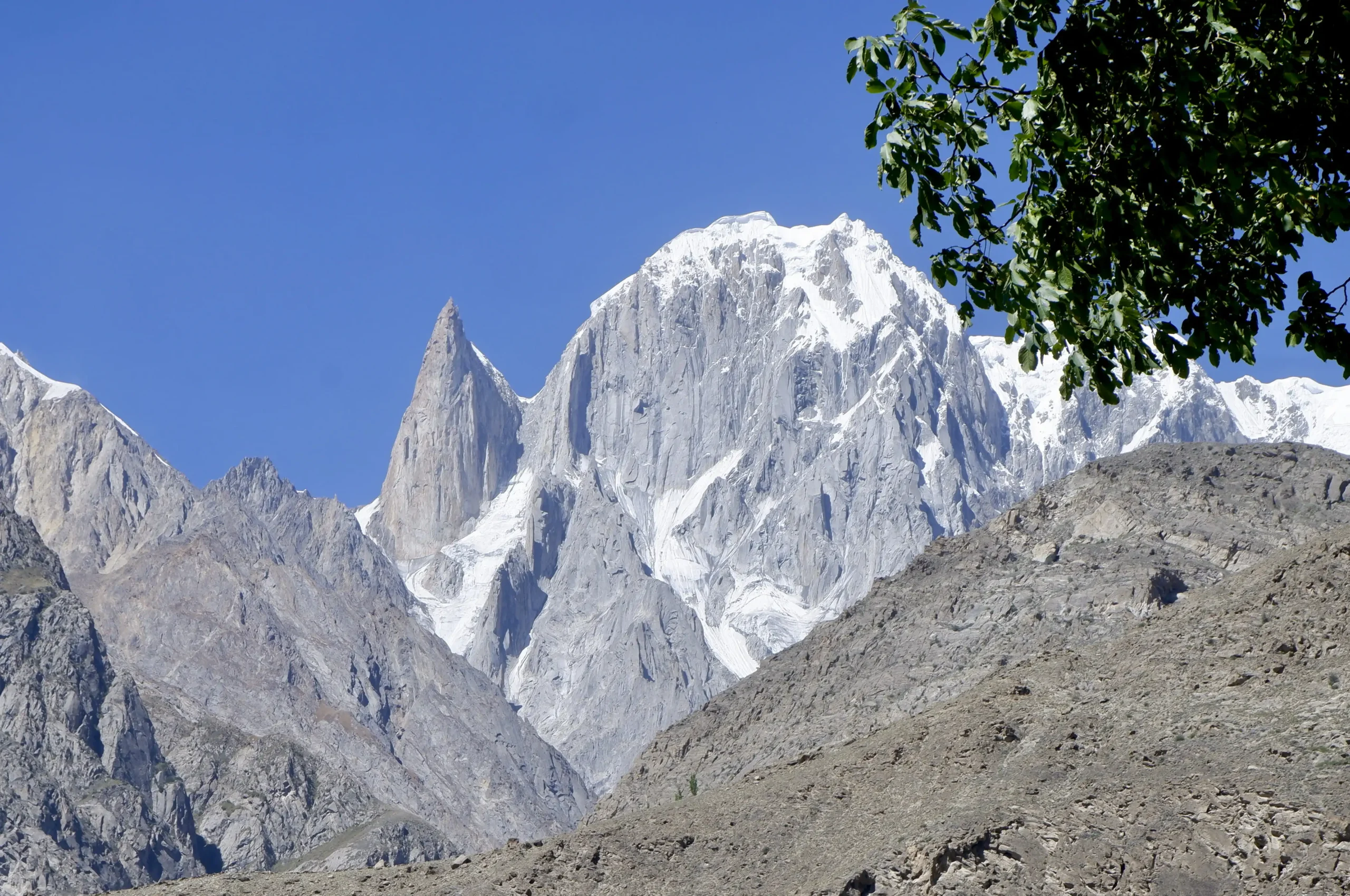
Eagle's Nest
A hilly vantage point offering panoramic views of central Hunza. From one spot, you can see 11 snow-capped mountains above 7,000 meters and 6,000 meters. Best time to visit Eagle's Nest is at sunset.
Learn more about Hunza tours →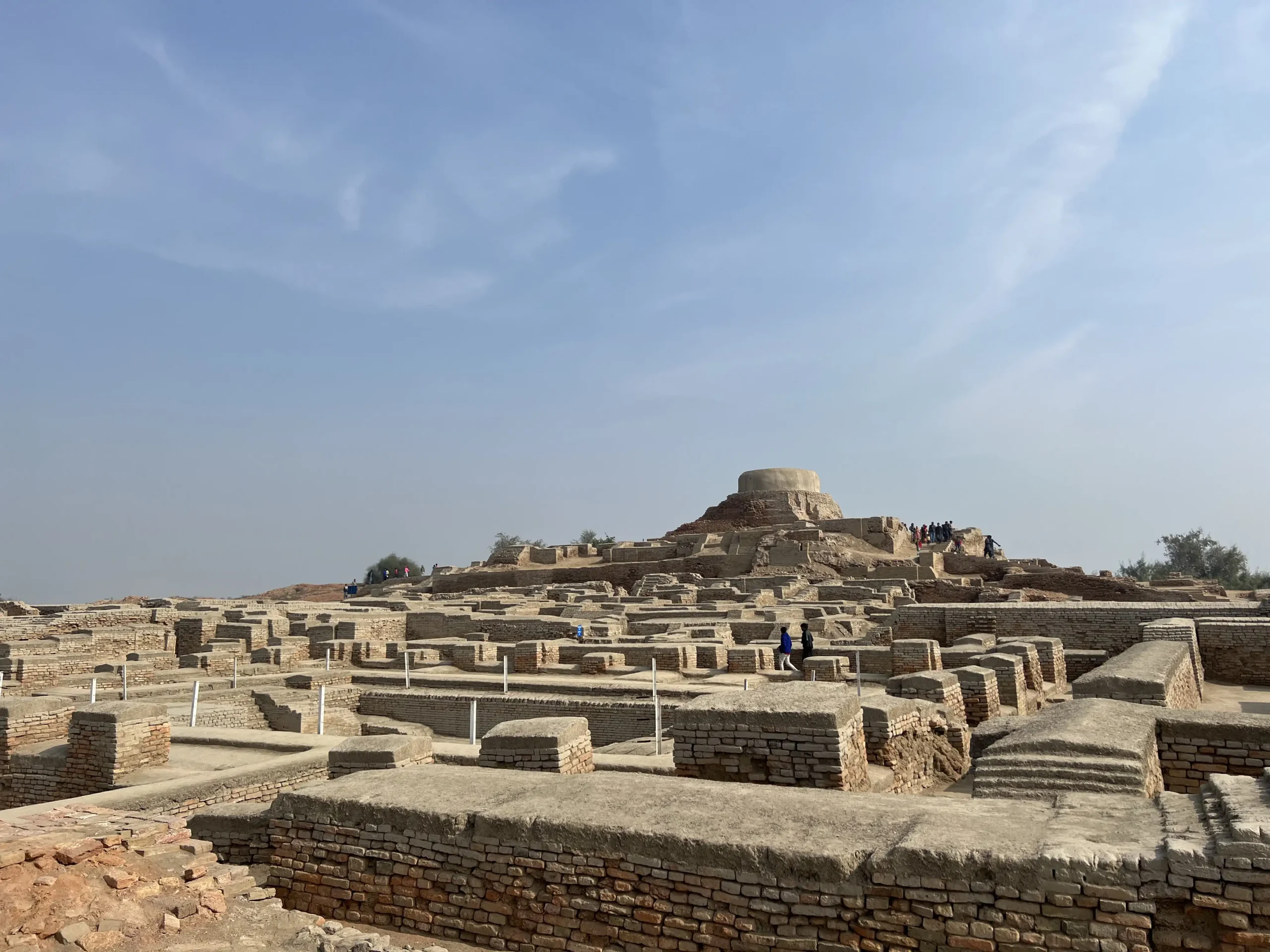
Mohenjo-Daro
Humankind's first urban city is Mohenjo-Daro. It is a fully planned city with sanitation, drains, multi-story houses, and grid-style streets. They traded with ancient Egypt and Mesopotamia
Explore Indus Valley tours →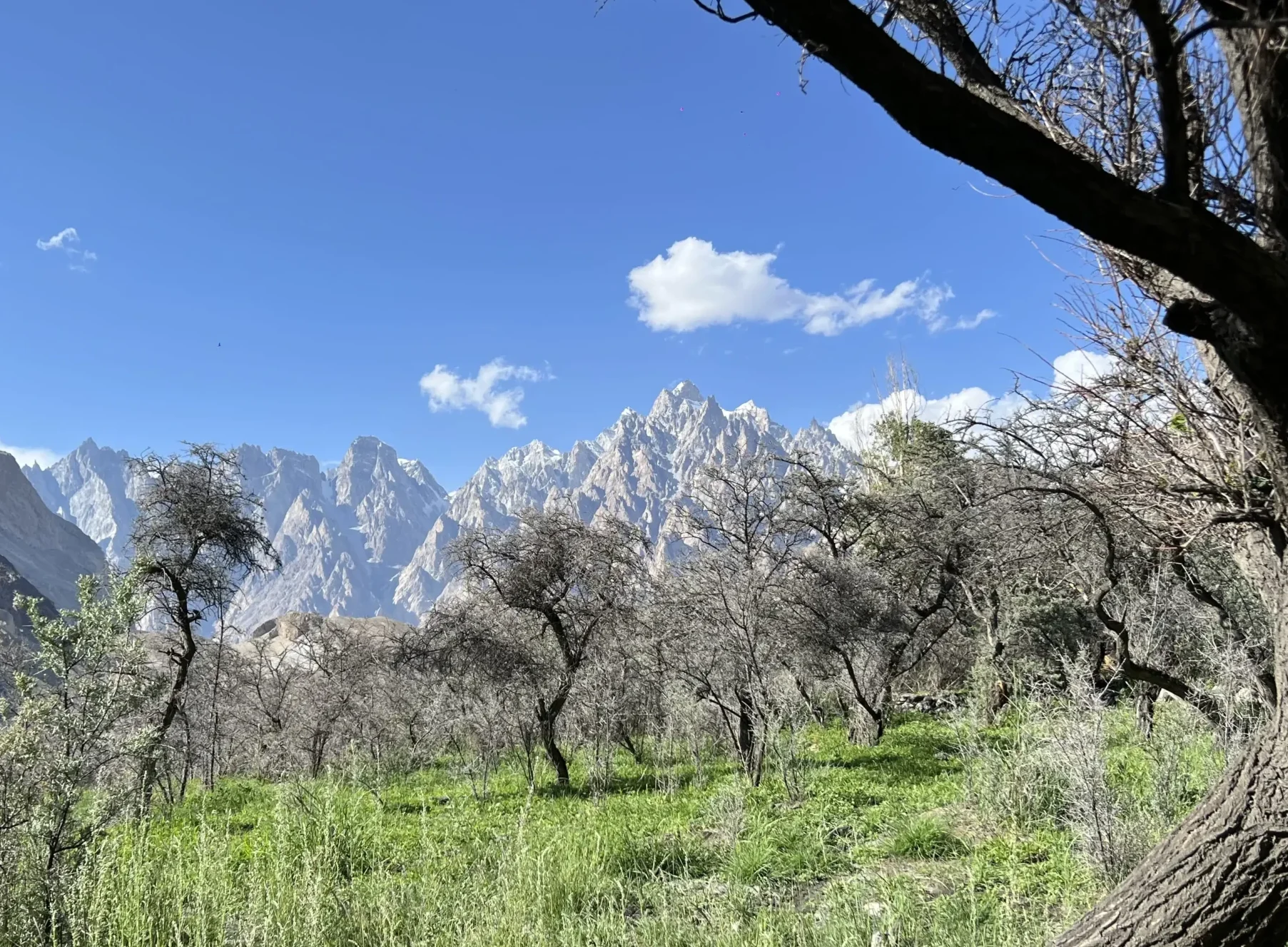
Passu Cones
The village of Passu is a wide valley offering stunning views of the Passu Cones which are a collection of cathedetral shaped peaks that glow golden at sunset. Snow slides off them because of the pointed geometry.
View Passu Cones on Hunza tour →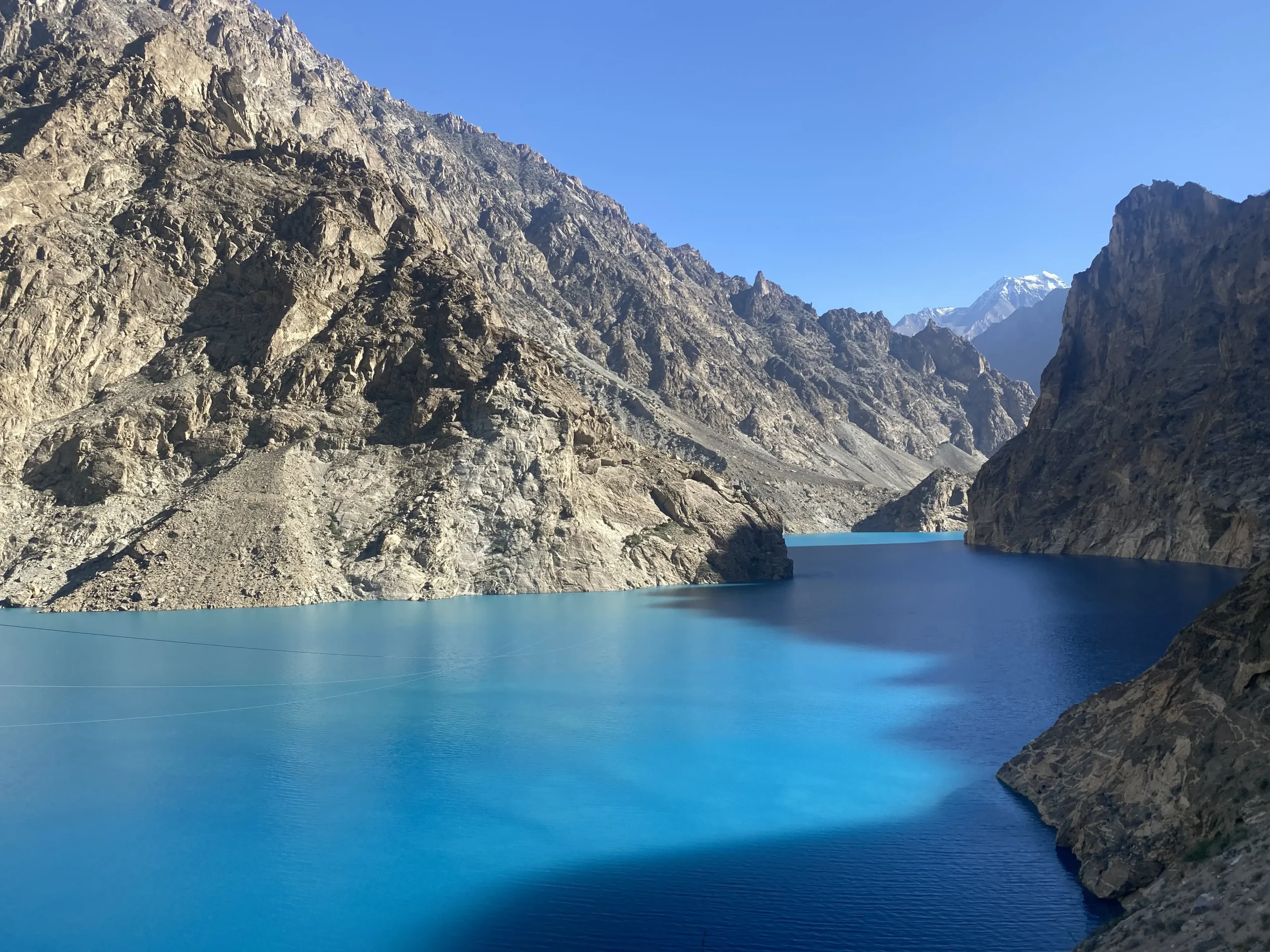
Attabad Lake
A large landslide blocked the Hunza river in 2010 which formed the Attabad Lake. The silt settled to make it a beautiful tourquoise blue lake which now has boating options for tourists.
View Attabad Lake on Hunza tour →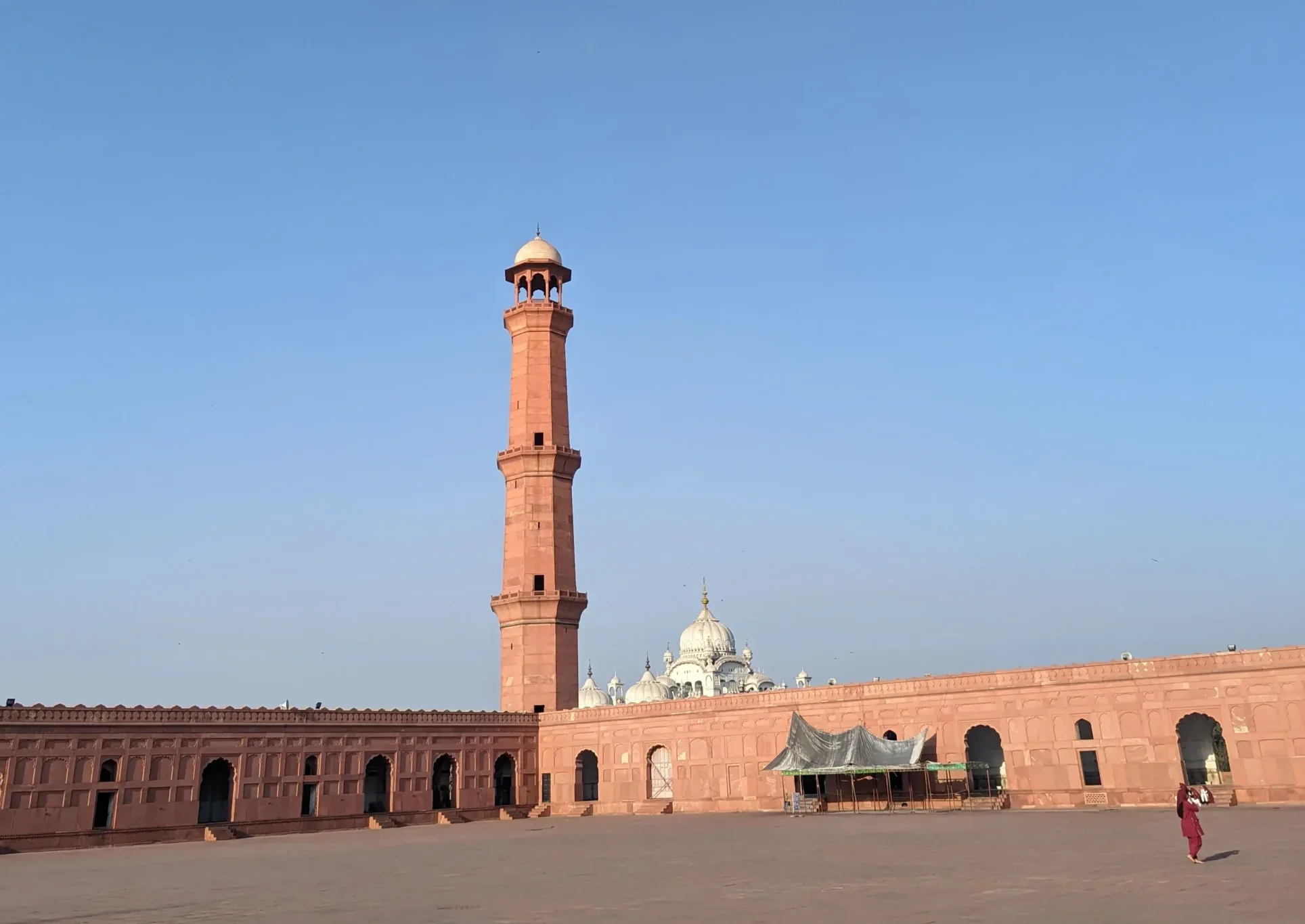
Lahore & Mughal Heritage
Lahore has heritage of many empires including the Mughals, the Sikhs, and the British. Walk around the grand Lahore fort and its decorated fresco walls, and just outside is the mangificent Badshahi Mosque (Mosque of the Emperor).
Discover Lahore on our Indus Tour →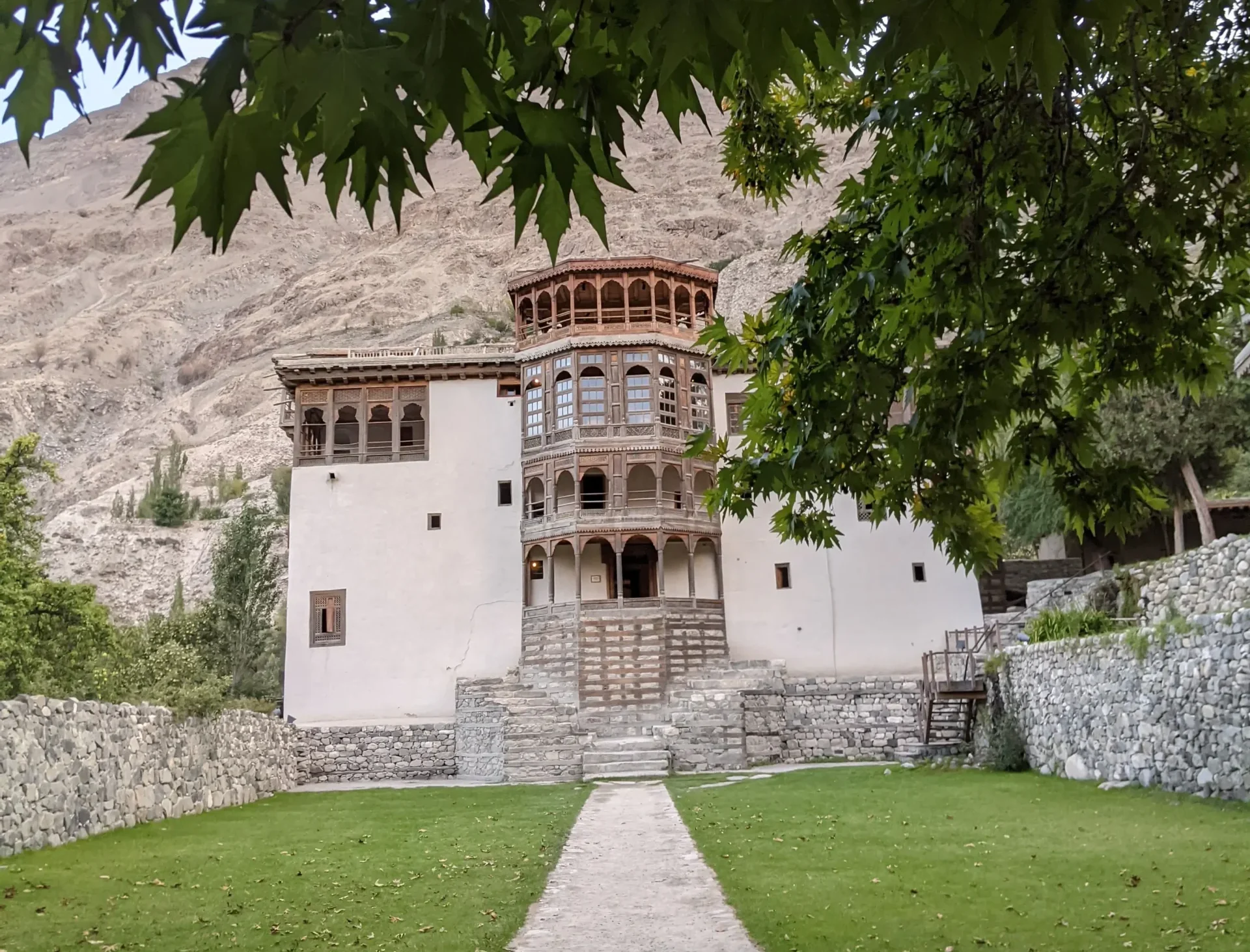
Shigar and Khaplu
Once a part of the greater Tibetan empire, Shigar and Khaplu have Tibetan style forts, palaces, and mosques that were once temples.
Explore Shigar and Khaplu on Hunza tour →Why Pakistan
Why Visit Pakistan (and How to Convince Your Friends)
The 3 Great Mountain Ranges
Pakistan is the meeting point of all 3 mountain ranges namely the Karakoram, Himalayas, and Hindu Kush. The Pamir range also extends into Pakistan at its northern tip connected to China. Five of the world's fourteen 8,000-meter peaks are here, including K2 and Nanga Parbat. Unlike other places, you don't need to be a climber to see the mountains of Pakistan. Most of them are visible from the balcony of your hotel while you sip Chai at 3,000 meters!
5,000 Years of Civilization
If you're into history, you already know this. The Indus Valley Civilization is in Pakistan, which built first cities of humankind: Mohenjo Daro and Harappa. Various empires along the Indus and most notably the Mughal Empire left behind rich cultural heritage including the Lahore Fort, and Badshahi Mosque, Samadhi of Ranjit Sindh, the Noor Mahal, the Derawar Fort and the list goes on. Alexander the Great's final battle before his return to Babylon was in Jhelum, Pakistan. Every era left something behind and most of it you can still walk through today.
Pakistani people are super hospitable
Pakistanis treat every foreigner as a guest in their home so you will be received very well. Our guide Mr. Karim will introduce you, be your translator, and go along with you when you're offered chai by a small family in Duikar. In some places, it is the first time they see a foreigner in their life.
Pakistan is culinary delight
From Karachi's Biryani and Bun Kabab to Lahore's infamous nihari to the Chapshuro in Hunza to roadside Mumto (dumplings) stalls on the Karakoram Highway, Pakistan stuns every visitor. Each province has its own style of cuisine and spices. Mr. Karim will make sure to take you to the best places in town.
Getting There
How to Get to Pakistan from the US
Unfortunately, there are no direct flights from the United States to Pakistan. One-stop connections through the Middle East are the best option but they are surprisingly affordable. Most flights land at Islamabad International Airport (ISB), where your guide Mr. Karim meets you at arrivals exist gate (after immigration).
From New York (JFK)
One stop options are via: 1) Dubai with Emirates, 2) Doha with Qatar Airways, 3) Istanbul with Turkish Airlines. Total travel time is approximately 18 hours. Qatar Airways and Emirates are the most popular choices with American travelers. Expect round-trip fares between around US $1,200.
From Houston (IAH)
One stop via Doha with Qatar Airways. Total travel time is around 18 hours. Houston has one of the biggest Pakistani-American community so this route is regular and might be cheaper.
From Chicago (ORD)
One stop via Doha with Qatar Airways or Istanbul with Turkish Airlines. Total travel time is approximately 19 hours.
From Los Angeles (LAX)
One stop via Dubai with Emirates or Doha with Qatar Airways. Total travel time is around 21 hours due to the west routing. Emirates premium service from LAX to Dubai makes the really long flight comfortable and enjoyable.
From Washington DC (IAD)
One stop via Istanbul with Turkish Airlines or Doha with Qatar Airways. Total travel time is approximately 18 hours.
From San Francisco (SFO)
One stop via Dubai with Emirates or Istanbul with Turkish Airlines. Total travel time is around 20 hours
We recommend booking flights at least 3 months in advance through Google Flights for the best rates and comparison options. Arrival in Islamabad is usually in the early morning hours. Once you've booked your tour with us, we'll coordinate your arrival time so you're met at the airport with Mr. Karim holding your name and The Vacation Project logo (no matter what time you land.)
Booking Process
How It Works
Choose a Pakistan Tour
Browse our Hunza Valley, Indus Valley, K2 Base Camp, or Kalash Valley tours. Not sure which one? Get in touch and we'll help you decide.
We Plan Everything
Once you book, we handle all the logistics including flights, hotels, meals, transport, permits, and your visa invitation letter. You just show up.
You Explore Pakistan
Your English-speaking local guide meets you at Islamabad airport and the adventure begins. Every detail is taken care of from day one to departure.
Ready to explore Pakistan?
Get in touch to book your Pakistan trip or ask us anything. Our team responds within 24 hours.
Rental Services
Rent a Car in Pakistan
Reliable 4x4 vehicles with professional local drivers across Northern Pakistan. Explore the Karakoram, Hunza Valley, Deosai Plains, Khaplu, and the Pakistan-China border with transparent pricing and Govt. licensed operations.
Rent a Car in Skardu
Access Deosai Plains, Sheosar Lake, Khaplu Palace, Shigar Fort, and the K2 region. Professional Balti drivers, full fleet of Prados, Land Cruisers, and 4x4 Jeeps for the unpaved mountain tracks.
Rent a Car in Gilgit
Gateway to Hunza Valley, Khunjerab Pass (4,693m), Fairy Meadows, and Naltar Lakes. The Karakoram Highway begins here. Professional local drivers, full fleet for paved KKH routes and rugged 4x4 adventures.
Helpful Guides
Planning Your Pakistan Trip?
Practical, honest answers to the questions international travelers ask most before visiting Pakistan. Written by our team of licensed Pakistan tour operators with nine years of experience hosting visitors from around the world.
Is Pakistan Safe for Americans in 2026?
A complete guide to safety, travel advisories, and practical realities for American visitors.
Pakistan Visa for US Citizens in 2026
Step-by-step guide to applying for a Pakistan e-visa, costs, processing times, and required documents.
Is Skardu Safe in 2026?
A detailed look at safety in Skardu and Baltistan, including road conditions, altitude, and tourist experiences.
Is Hunza Safe in 2026?
A detailed answer covering safety, hospitality, and what to expect when visiting Hunza Valley.
International Tours
Afghanistan
We also run private guided tours to Afghanistan — one of the world's least-visited and most extraordinary countries.
10 Days · Max 8 People · Private Tour
Afghanistan Tour 2026 & 2027
10 days through one of the world's least-visited countries. Band-e-Amir's turquoise crater lakes, Bamiyan's empty Buddha niches, the Blue Mosque of Mazar-i-Sharif, and the magnificent Friday Mosque of Herat — entirely to yourself.
Common Questions
Frequently Asked Questions about Pakistan Tours
It depends, but $25–$80/day covers most travelers comfortably in 2026. Budget travelers survive on $25/day, mid-range sits around $50–$80, and luxury easily crosses $150+. Use InDrive and Yango instead of taxis in cities. They're often 30–40% cheaper. Keep in mind that fuel price swings in 2026 have quietly pushed transport costs up, especially in the north.
It's an all-inclusive bundle covering transport, hotels, guide, and permits. In Pakistan, these are common for northern areas like Hunza and Skardu where logistics are tricky. Confirm if internal flights are included. Many "full" packages quietly exclude them. The Vacation Project's tours are genuinely all-inclusive. Be aware that weather delays (especially Gilgit flights) can affect tightly scheduled packages.
Taxila is the best 1-day trip in Pakistan, just 30 minutes from Islamabad. It has ancient ruins of Gandharan Buddhist stupas and the ancient Greek city of Sirkap. Start before 7 AM to avoid traffic and heat.
September and November are typically the cheapest months for flights in 2026. Demand drops after peak summer tourism.
The price of a Pakistan tourist visa is $60. Visa on Arrival was suspended in January 2026. Apply through the NADRA portal at least 2 weeks in advance. Upload hotel booking or host details clearly to avoid delays. Processing can drag beyond 10 days during peak seasons. We assist with visa invitation letters for all our tour bookings.
No. There is no minimum balance required for a Pakistan tourist visa. You don't need to provide a bank statement.
April to November for the north (Hunza, Skardu, Gilgit, Kalash). October to April for the south (Mohenjo Daro, Lahore, Karachi, Harappa). Karakoram Highway repairs near Dasu in 2026 can slow travel, so plan buffer days. Weather in the mountains changes fast, even in "best" months.
Pakistan offers cultural, trekking, historical, and road-trip tours. Cultural: Lahore, Multan, Karachi. Adventure: Hunza, Skardu, Fairy Meadows. Historical: Taxila, Mohenjo Daro, Kot Diji, Harappa.
Yes, especially in protected tourist corridors like Hunza, Skardu, and Swat. These areas have active security and tourism policing. Register at hotels as they often coordinate with local authorities. Avoid border regions in Balochistan entirely.
Yes. You can mix cities with trekking or photography routes. WhatsApp-based planning with our team works faster than email. Keep in mind that last-minute changes are hard once you're in remote areas.
Hunza Valley is widely considered the top choice. Think dramatic peaks, Attabad Lake, and clean villages. Visit Passu Cones at sunrise for the best light. Peak season crowds are growing fast in 2026.
Monsoon runs from mid-July to September, mainly affecting central and northern regions. Expect heavy rains in Punjab and landslides up north. Check road status before traveling on mountain highways. Flights get delayed frequently during monsoon.
7 to 10 days is the minimum for a meaningful trip in the north like Hunza Valley. For the Indus Valley sites, 11 days are needed at minimum.
Yes, Americans can visit Pakistan with an approved E-Visa in 2026. Make sure to follow the guidelines on the NADRA website or get in touch with us for assistance.
Yes, Pakistan is safe for American tourists. We have toured a large number of American clients in Pakistan, and no one has had a bad experience. However, avoid discussing politics openly.
Yes, it is safe for an American woman to visit Pakistan. Dress modestly, particularly in big cities like Karachi. Hunza is considered very open and accommodating of all attire.
Hunza and Islamabad rank as the safest places in Pakistan. These fall under protected tourism corridors. Hunza has one of the lowest crime rates in the country. Note that emergency services are limited in remote valleys.
Modest clothing is strongly recommended. Men: pants and shirts. Women: loose clothing with a scarf. Local outfits called shalwar kameez are practical and cheap — and a great souvenir.
Pakistan is cheap compared to most countries in 2026. Food, transport, and hotels are affordable. Imported goods are relatively expensive. $100 can cover 2–4 days of budget travel easily, including food, transport, and basic lodging.
Yes, locals are extremely welcoming, often going out of their way to help. You will certainly get offered chai by a random stranger. Hospitality is deeply embedded in the culture.
$1 to $5 for local food, $10+ for upscale dining. Street food is the cheapest option. Try local dhabas for authentic meals. Hygiene varies, so choose after some due diligence.
No, Visa on Arrival was suspended in January 2026. You must apply for the E-Visa beforehand through the NADRA portal. Apply at least 10 days early.
Flavorful, spicy, oily, and primarily carnivore. Expect biryani, bhindi, daal, karahi, and tikka kebabs. Ask for "less spicy" if needed. Pakistanis eat vegetables at home, so restaurant menus tend to be meat-heavy.
Routine vaccines plus Hepatitis A, Typhoid, and Polio are recommended. Consult your doctor at least 4–6 weeks before travel.